VICTORIAN GOTHIC · 1837–1838 • WEIRD SHITE
London, 1838. A young woman opens her family’s front door to a man claiming to be an officer. Moments later, according to her statement, his eyes glow, flames escape his mouth and metal-like claws tear at her clothing. The figure disappears. Newspapers begin turning a disturbing attack report into one of Britain’s longest-lived urban legends.
He was called Spring-Heeled Jack, and the tales surrounding him make today’s cryptid sightings look almost restrained. He supposedly leapt over walls, wore strange clothes and appeared when the streets were dark. Yet the most interesting thing about Jack is not whether a monster existed: it is how an incomplete set of very human reports became a supernatural celebrity.
When the monster arrived in the newspapers
Stories of an acrobatic, mysterious assailant circulated in and around London during 1837 and grew more dramatic in early 1838. Reports didn’t present one consistent creature. Some described a human figure using extraordinary tricks; others emphasized claws, glowing eyes, or a spectacular ability to jump. The name Spring-Heeled Jack gave scattered anxieties a memorable villain.
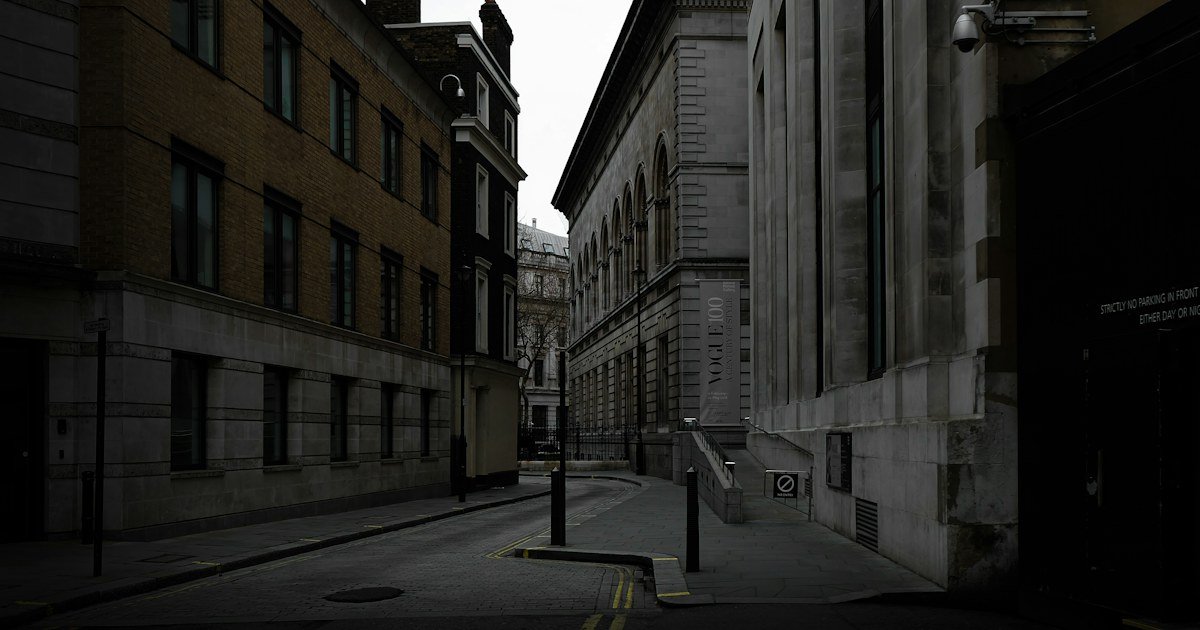
Victorian London was primed for a story like this. Gas-lit streets, urban growth, social suspicion and an energetic newspaper culture supplied both the settings and the amplifier. A rumor heard in one neighborhood could become an apparent citywide threat after printing, retelling and embellishment.
The Jane Alsop account
On February 19, 1838, Jane Alsop said a stranger approached her home in the Bow district and claimed the authorities had captured Spring-Heeled Jack. When she offered him a light, she said he revealed an alarming face and breathing flames. She reported that he grabbed at her with claw-like fingers, leaving injuries, before family members intervened.
This was a reported assault, not proof of a demonic visitor. The person could have worn a disguise or employed a chemical trick; descriptions became exaggerated with circulation. The important detail is that an incident was recorded and taken seriously, even while its explanation remained uncertain.

Blue fire in Green Dragon Alley
Nine days later, Lucy Scales described a frightening encounter in Limehouse. She and her sister said they passed a cloaked figure near Green Dragon Alley. A sudden burst of blue fire or light reportedly struck Lucy’s face, terrifying and incapacitating her. Her brother later described rushing to her aid.
The two accounts shared striking motifs, but they were not identical. The discrepancies matter. A careful reading distinguishes testimony about an apparent flash or flame from the later leap to one supernatural attacker capable of impossible feats. Even in the nineteenth century, observers and journalists did not agree on every detail.
The penny dreadful changed everything
Once Jack entered cheap serial fiction, he grew more theatrical. Print artists gave him a pointed face, dramatic costume and daring leaps. Some later stories made him a villain; others transformed him into a mysterious antihero. The historical complaints and fictional adventures began feeding each other until a reader could hardly separate them.
That is why a lurid penny-dreadful cover is a terrific historical artifact but weak evidence for what anyone actually saw. The artwork records how people imagined Spring-Heeled Jack decades later. It is a window into folklore, not a photograph from an attack.
Was there ever one Spring-Heeled Jack?
The honest answer is that no definitive identity has been established. A masked prankster, a series of imitators, misleading newspaper reports and unrelated incidents have all been proposed. A single culprit is possible, but so is a legend assembled from multiple frightening events. No reliable evidence demands a supernatural explanation.
Legends often outlive the facts that began them because they work like templates. Every unexplained knock, unusual shadow or frightening stranger becomes another chapter. In Jack’s case, Victorian fear took the shape of a man who could jump higher than a wall and vanish before anyone could question him.
What makes the legend unsettling today
The genuinely creepy part is the boundary between a documented complaint and an invented monster. Real people reported being frightened or harmed. Later audiences wanted a clean, spectacular origin story. The more vivid the folklore became, the harder it was to see the people at its beginning.
If you revisit this tale, imagine being on a dark street with no smartphone, only weak lighting and the knowledge that your neighbor has just read about a flame-breathing prowler. The fear is understandable without assuming that a supernatural predator ever existed.
Sources and further reading
- Historical overview and references for the Alsop and Scales reports
- The Examiner, February 25, 1838, contemporary report
- 1904 penny-dreadful illustration and license
More weird, less made up: Visit the Strange Stories archive for bizarre history and verified mysteries, or send The Keeper a story tip.